Method one
The bare-face test
Wash with a mild cleanser, apply nothing, and wait 30 minutes. Tightness may suggest dryness; shine across most of the face may suggest oiliness.
 GRADOLAND
Skin types
Use three simple checks to understand your skin and choose a more suitable daily cleanser.
SKIN TYPE GUIDE
Method one
Wash with a mild cleanser, apply nothing, and wait 30 minutes. Tightness may suggest dryness; shine across most of the face may suggest oiliness.
Method two
Gently press blotting paper onto the forehead, nose, chin, and cheeks. Oil across all areas points toward oily skin; limited oil is closer to normal skin.
Method three
For several days, note shine, tightness, flaking, visible pores, and product reactions. One brief observation is not always enough.
This guide is not a medical diagnosis. Consult a dermatologist for persistent redness, itching, burning, or acne.
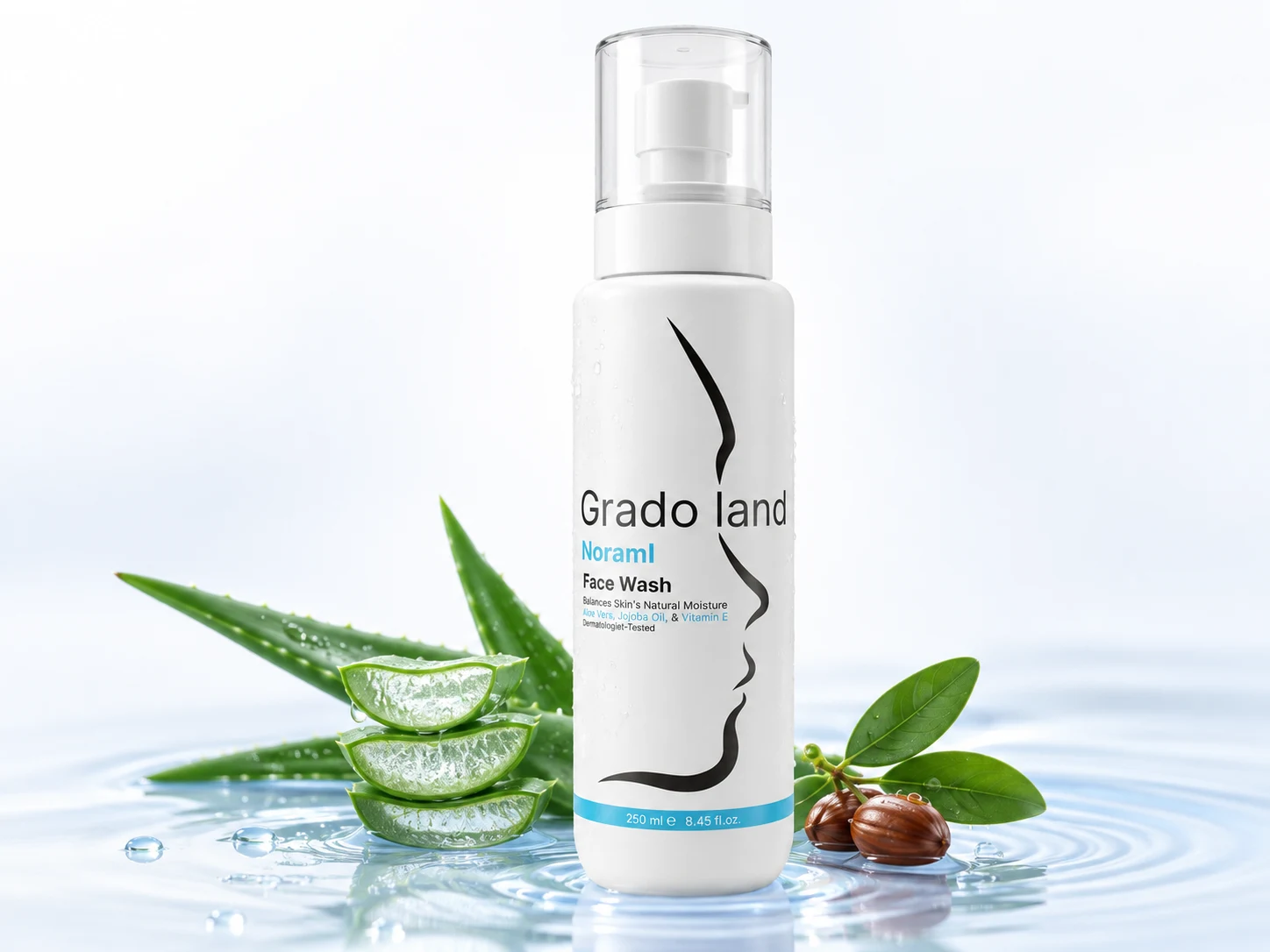
01 / Normal skin
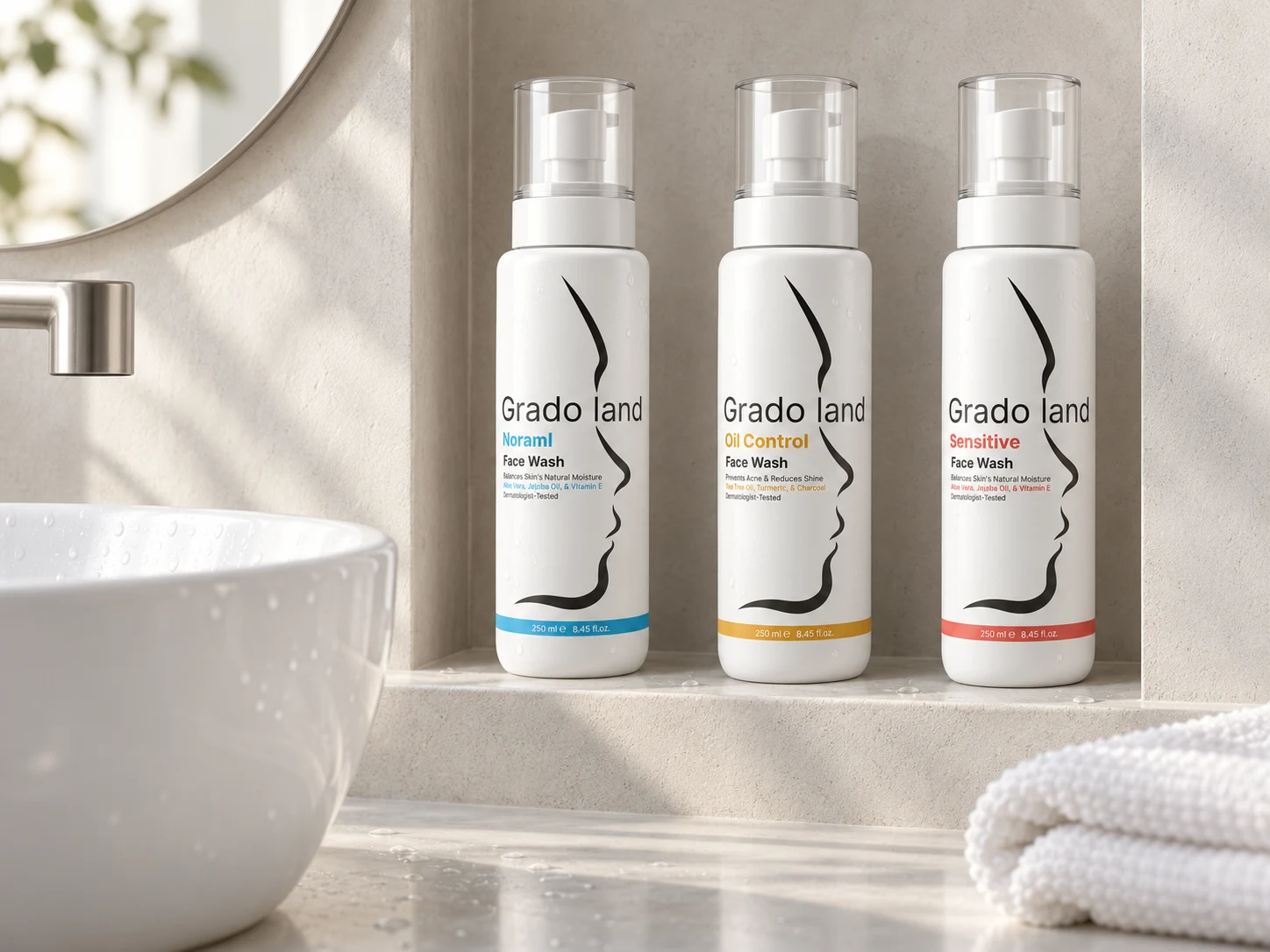
For daily cleansing and a balanced, fresh feel.
| Size | Price |
|---|---|
| 250 cc | 1,950,000 toman |
| 350 cc | 2,790,000 toman |
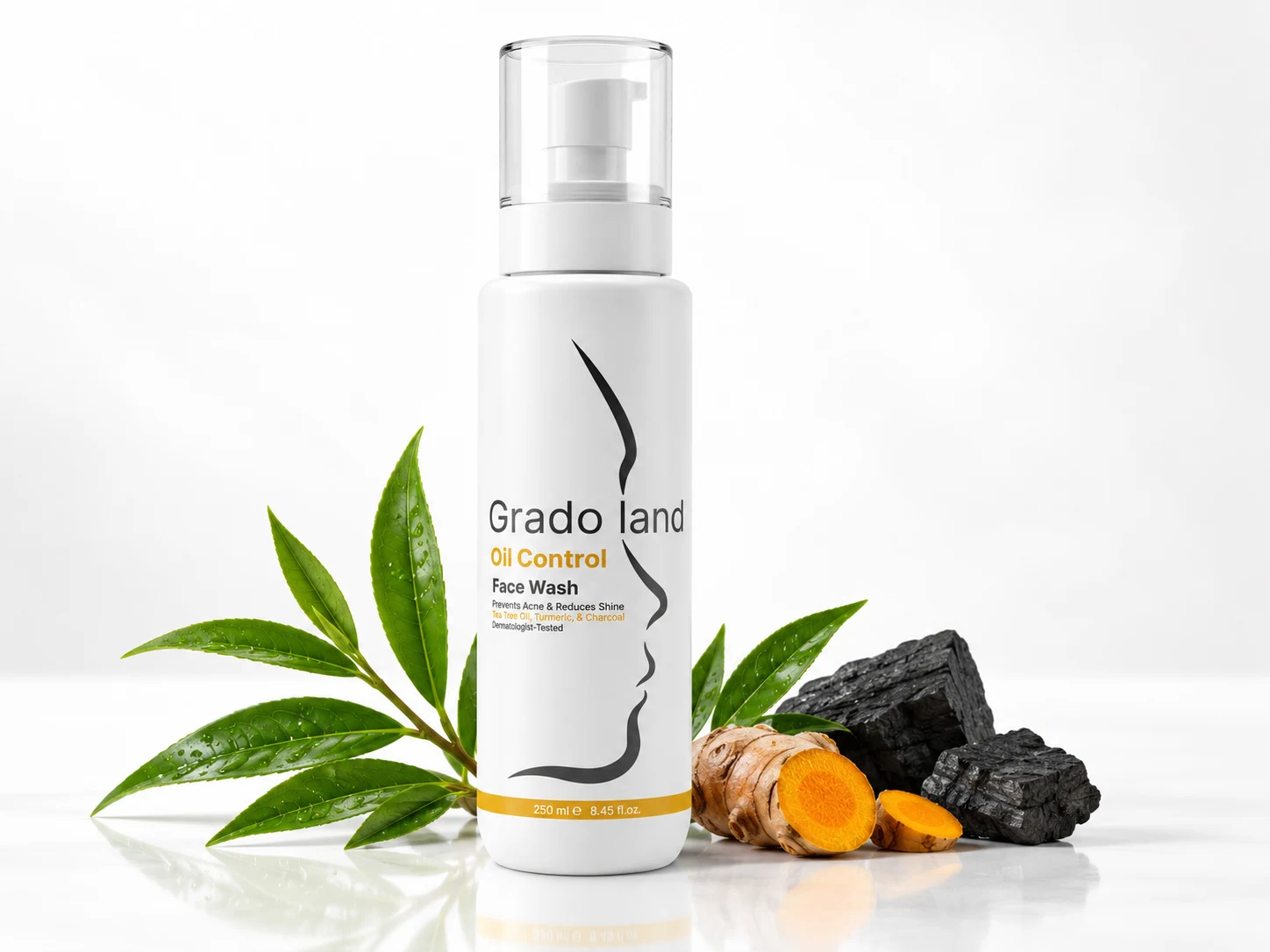
02 / Oily skin
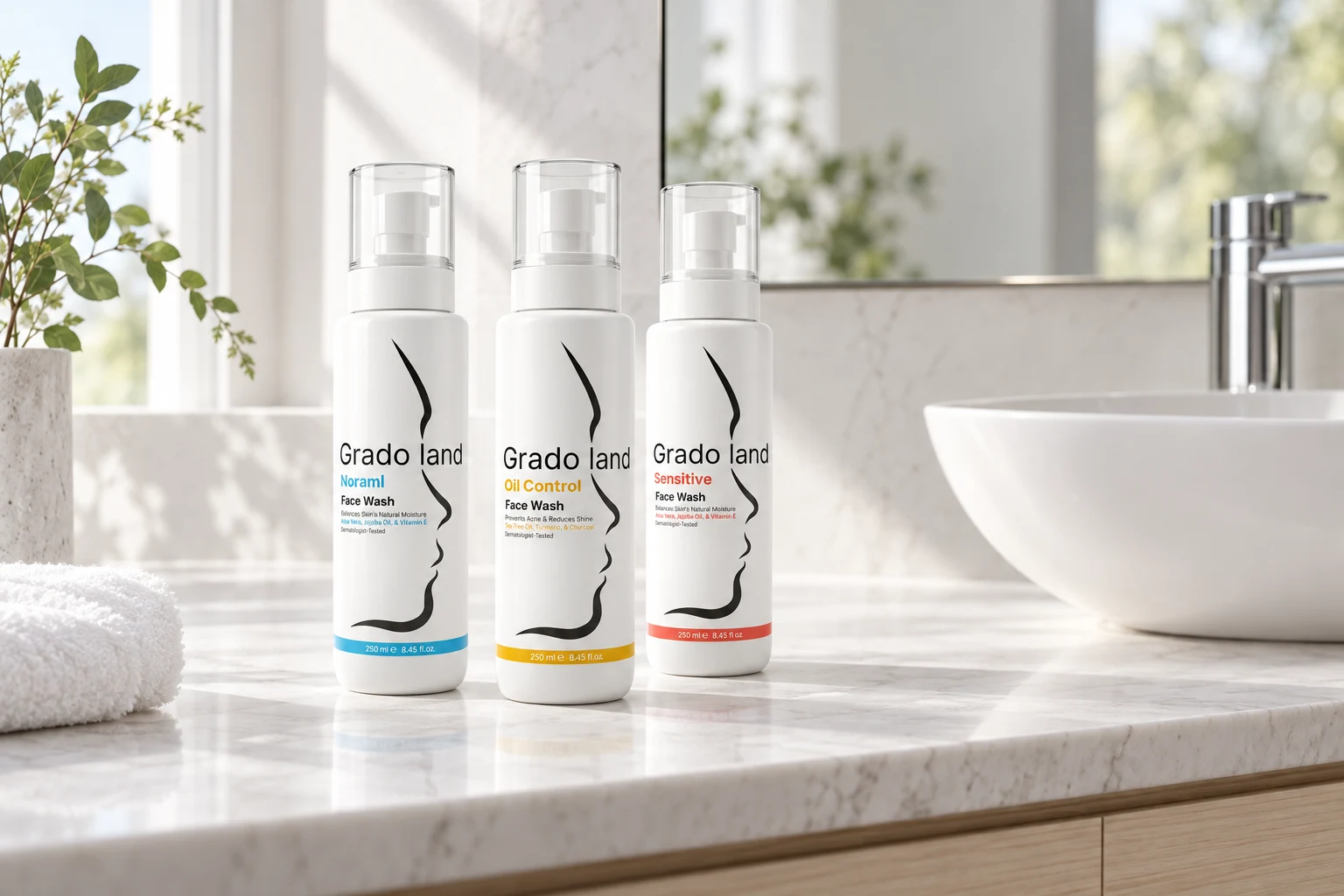
With tea tree, turmeric and charcoal for cleansing excess oil.
| Size | Price |
|---|---|
| 250 cc | 1,950,000 toman |
| 350 cc | 2,790,000 toman |
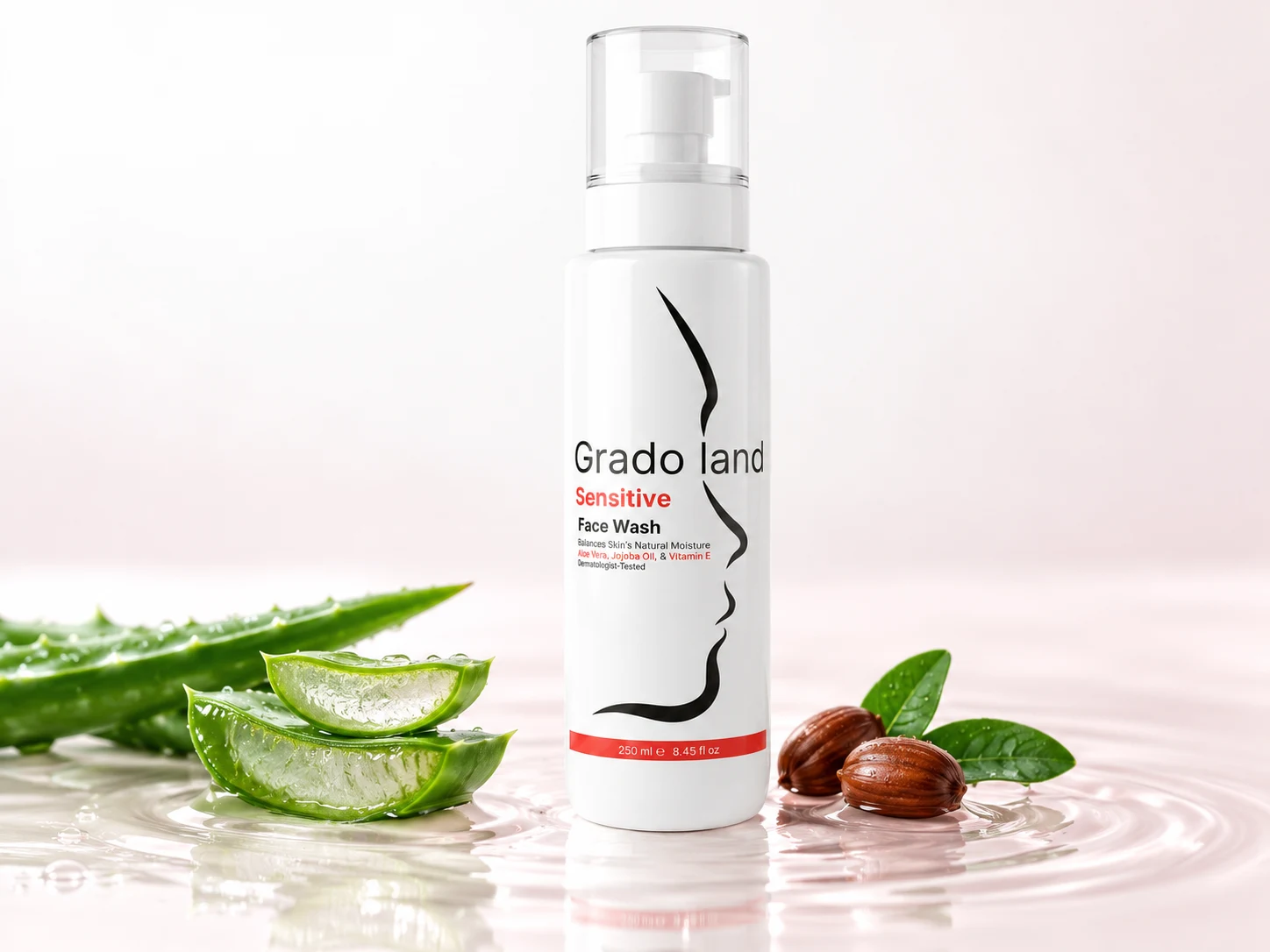
03 / Dry & sensitive skin
With aloe vera, jojoba and vitamin E for a gentle daily cleanse.
| Size | Price |
|---|---|
| 250 cc | 1,950,000 toman |
| 350 cc | 2,790,000 toman |
QUICK COMPARISON
Observe these signs over several days. Weather, sleep, stress, and new products can temporarily change how skin behaves.
| Skin type | Common signs | Cleansing priority |
|---|---|---|
| Normal | Balanced feel, less-visible pores, no marked tightness or shine | Balanced daily cleanser |
| Oily | Shine across most of the face, more-visible pores, oil on blotting paper | Clean excess surface oil without over-washing |
| Dry | Tightness, roughness, or fine flakes | Gentle cleanser followed by moisturizer |
| Sensitive | Redness, stinging, or quick reactions to some products | Gentle formula and no harsh rubbing |
| Combination | Oil in the forehead, nose, and chin; normal or dry cheeks | Mild cleansing with attention to the T-zone |
IMPORTANT DISTINCTION
Dryness usually relates to low natural oil, while dehydration means the skin lacks water. Oily skin can therefore be dehydrated and feel tight after cleansing. Choose a cleanser based on both skin type and its current condition.
HOW TO CLEANSE
COMMON MISTAKES
FREQUENTLY ASKED QUESTIONS
In the morning or after cleansing, when no skincare product has been applied for at least 30 minutes.
If most of the face is shiny and oily, it is closer to oily skin. If oil is concentrated in the T-zone while cheeks feel normal or dry, it is more likely combination skin.
Sensitivity can occur alongside any skin type. Persistent redness or burning should be assessed by a dermatologist.
Yes. Weather, humidity, medication, and hormonal changes can affect how skin feels. Observe it over several ordinary days.
Dry skin usually produces less oil. Dehydration means a lack of water and can also affect oily skin.
Choose a mild cleanser that removes buildup from the T-zone without leaving the cheeks feeling tight.
Once or twice daily is enough for most people. Excessive washing may leave skin feeling dry or irritated.
Yes. After gently drying the face, use a moisturizer suited to your skin type to support comfort and hydration.